
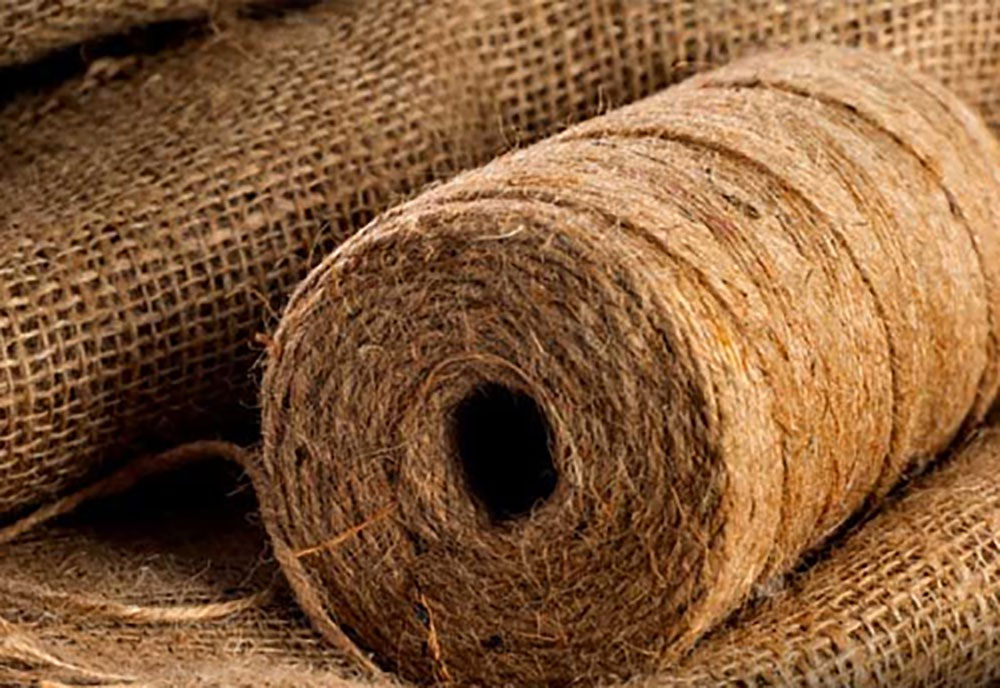
Jute is often referred to as the “golden fiber” due to its rich, golden-brown color and its valuable economic significance. This versatile, natural fiber, derived from the jute plant, has been a crucial material in various industries, particularly in textiles and packaging.
Known for its strength, durability, and biodegradable properties, jute plays a vital role in sustainable practices. Its economic impact and aesthetic appeal contribute to its nickname, symbolizing both its value and its role in the global market. Let’s discuss in this article on Elite Jute —why is jute called golden fiber?
What is golden fiber?
The term “golden fiber” commonly refers to jute, a natural fiber celebrated for its durability and versatility. Jute, derived from the stem of the jute plant, is prized for its golden-brown color and its sustainable attributes. It is extensively used in producing burlap, hessian, and various other products, including ropes and packaging materials.
This fiber is not only eco-friendly, being fully biodegradable and recyclable, but it also contributes significantly to the economies of producing countries, particularly in South Asia. Its golden hue and economic value have earned it the nickname “golden fiber.”
What do you mean by golden fiber?
The term “golden fiber” refers to jute, a natural fiber known for its strength, versatility, and distinctive golden-brown hue. Jute is derived from the stem of the jute plant and is used in a variety of applications, including textiles, ropes, and packaging materials.
Its nickname “golden fiber” reflects both its color and its economic significance, as jute is a valuable crop in many countries, particularly in South Asia. The term underscores the fiber’s premium quality and its important role in sustainable industry practices.
Which country is called the land of golden fiber?
Bangladesh is often referred to as the “Land of Golden Fiber” due to its significant production of jute, a crucial natural fiber renowned for its strength and versatility. Jute cultivation has deep roots in the country, making it one of the largest producers and exporters of this valuable material.
The fiber, prized for its golden-brown color and sustainable qualities, plays a vital role in Bangladesh’s economy, supporting millions of livelihoods and contributing to various industries. This nickname highlights the country’s pivotal role in the global jute industry and its cultural and economic reliance on this golden resource.
What is the golden fiber of Bangladesh?
The “golden fiber” of Bangladesh is jute, a natural fiber known for its strength, durability, and distinctive golden-brown hue. Jute is derived from the stem of the jute plant and has been a staple of Bangladeshi agriculture for centuries. Its versatility makes it a key material in producing a wide range of products, including burlap, hessian, ropes, and packaging materials. The fiber’s aesthetic appeal and functional properties have earned it this distinguished nickname, underscoring its value and importance.
Jute cultivation plays a critical role in Bangladesh’s economy, providing livelihoods for millions of farmers and workers across the country. As one of the world’s largest producers of jute, Bangladesh exports a significant portion of its jute fiber and jute-based products globally. The fiber’s eco-friendly characteristics, including its biodegradability and minimal environmental impact, further enhance its importance. The term “golden fiber” reflects both the economic and cultural significance of jute in Bangladesh, highlighting its role as a vital and cherished resource.
Why is jute called a golden fiber?
Jute is often called the “golden fiber” due to its unique qualities and significance. Here are the main reasons for this nickname:
- Color: Jute fibers have a natural golden-brown hue, which contributes to the name.
- Economic Value: Jute is a valuable crop, significantly impacting the economies of producing countries, particularly Bangladesh.
- Versatility: The fiber is used in a variety of products, including textiles, ropes, and packaging materials, showcasing its broad utility.
- Sustainability: Jute is biodegradable and environmentally friendly, aligning with sustainable practices and enhancing its appeal.
- Historical Importance: Jute has been a crucial agricultural product for centuries, adding to its esteemed status as the “golden fiber.”
Which country is called the land of golden fiber?
Bangladesh is famously known as the “Land of Golden Fiber” due to its extensive production of jute, a natural fiber that plays a crucial role in the country’s economy. As one of the world’s leading producers and exporters of jute, Bangladesh has a rich history and tradition of cultivating this valuable crop.
The fiber’s golden-brown color and significant economic impact underscore its importance, both culturally and commercially. The nickname reflects Bangladesh’s pivotal role in the global jute industry and highlights the country’s deep connection with this cherished and sustainable resource.
Which crop is known as golden fiber?
Jute is commonly known as the “golden fiber” due to its distinctive golden-brown color and its significant economic and cultural importance. This natural fiber, extracted from the stem of the jute plant, is renowned for its strength, durability, and versatility. It is widely used in producing a variety of products such as burlap, hessian, ropes, and packaging materials.
The nickname “golden fiber” not only highlights the fiber’s aesthetic appeal but also reflects its valuable role in the economies of major jute-producing countries, particularly Bangladesh, where it has been a cornerstone of agriculture and industry for centuries.
Are there any other crops known as golden fiber?
Jute is the primary crop commonly known as the “golden fiber.” However, there are a few other crops with notable fibers that might sometimes be associated with similar qualities, though they do not have the same widespread recognition or nickname. These include:
- Hemp: While not widely called “golden fiber,” hemp produces a strong, durable fiber that has gained attention for its sustainability and versatility. Hemp fibers can have a golden or light brown color, similar to jute, and are used in textiles, ropes, and various eco-friendly products.
- Sisal: Sisal fibers, derived from the agave plant, are another strong and durable option used in making ropes, mats, and various other products. The fibers are typically light brown to beige, and while not commonly referred to as “golden,” they share some characteristics with jute in terms of strength and utility.
These fibers are valuable and have unique properties, but jute remains the most well-known “golden fiber” due to its distinctive color and economic impact, particularly in Bangladesh.
Conclusion
Jute’s designation as the “golden fiber” underscores its immense value and significance, both economically and culturally. For Bangladesh, jute is more than just an agricultural product; it is a vital component of the nation’s heritage and economic stability. The fiber’s distinctive golden hue, coupled with its versatility and sustainability, highlights its essential role in various industries. As a major global producer, Bangladesh continues to honor and leverage its rich jute heritage, ensuring that the “golden fiber” remains a symbol of prosperity and environmental stewardship. For more information please visit Elite Jute Blog. Thanks.