
Jute bags in Bangladesh have a significant cultural, economic, and environmental impact. Bangladesh is one of the largest producers and exporters of jute products in the world, and jute bags play a crucial role in the country’s economy. Here’s a detailed overview of jute bags in Bangladesh:
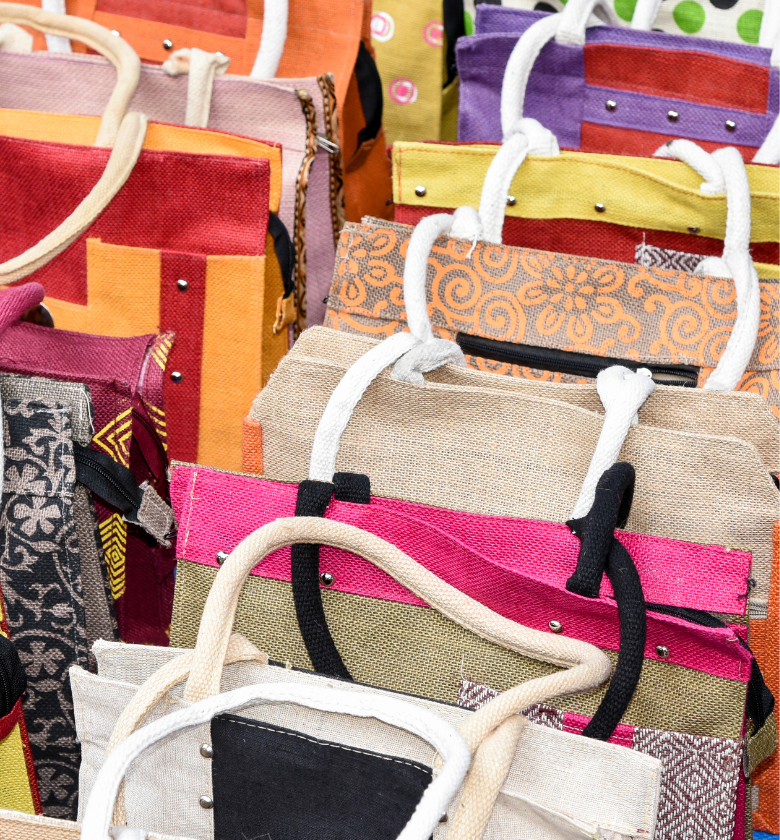
Importance of Jute Bag in Bangladesh:
1. Historical Significance:
– Jute has been a traditional crop in Bangladesh for centuries. The country has a rich history of jute cultivation and the production of jute-based products.
2. Economic Contribution:
– The jute industry is a vital part of Bangladesh’s economy. It contributes to employment generation, especially in rural areas where jute cultivation is prevalent.
3. Global Leadership:
– Bangladesh is a global leader in jute production and export. The country is known for producing high-quality jute fibers, which are used to manufacture various products, including jute bags.
4. Sustainable Agriculture:
– Jute cultivation is considered environmentally friendly and sustainable. It helps improve soil fertility, requires less chemical input, and has a lower environmental impact compared to some other crops.
Types of Jute Bags Produced in Bangladesh:
1. Shopping Bags:
– Jute shopping bags are widely produced in Bangladesh and are popular for their durability and eco-friendliness. They are often used as an alternative to plastic bags.
2. Promotional Bags:
– Many businesses and organizations in Bangladesh use customized jute bags for promotional purposes. These bags often feature logos, slogans, or brand messages.
3. Export Quality Bags:
– Bangladesh exports jute bags of various types and sizes to international markets. These bags are used for packaging agricultural products, goods, and commodities.
4. Fashion Bags:
– Jute is also utilized to create fashionable handbags, totes, and purses. These products cater to both local and international fashion markets.
5. Corporate Gifts:
– Jute bags are frequently used as corporate gifts or giveaways. Their natural and eco-friendly appeal makes them a popular choice for such purposes.
Benefits of Jute Bags in Bangladesh:
1. Biodegradability:
– Jute bags are biodegradable, which means they break down naturally, causing minimal harm to the environment compared to plastic bags.
2. Eco-Friendly Image:
– The use of jute bags aligns with global efforts to reduce plastic pollution and promotes a positive image of sustainability.
3. Job Creation:
– The jute industry in Bangladesh provides employment opportunities for a significant number of people, especially in rural areas where jute cultivation is prevalent.
4. Diversification of Products:
– The versatility of jute allows for the production of a wide range of products, promoting economic diversification within the jute industry.
5. Promotion of Sustainable Practices:
– The cultivation and use of jute promote sustainable agricultural practices, contributing to environmental conservation.
Challenges and Innovations:
1. Competition from Synthetic Materials:
– Jute faces competition from synthetic materials in the global market. Innovations in jute processing and product development are essential to maintain competitiveness.
2. Diversification of Jute Products:
– Ongoing efforts are being made to diversify jute products beyond traditional uses, exploring new applications and markets.
3. Technological Advancements:
– Embracing modern technology in jute processing can improve efficiency and quality, ensuring the industry’s sustainability.
4. Global Market Dynamics:
– The jute industry in Bangladesh is influenced by global market dynamics, and adapting to changing consumer preferences is crucial for continued success.
Jute bags in Bangladesh symbolize the country’s rich heritage, economic significance, and commitment to sustainable practices. As the world increasingly seeks eco-friendly alternatives, the demand for jute bags is expected to grow. Bangladesh’s continued focus on innovation, diversification, and sustainable development within the jute industry will play a pivotal role in shaping its future.