
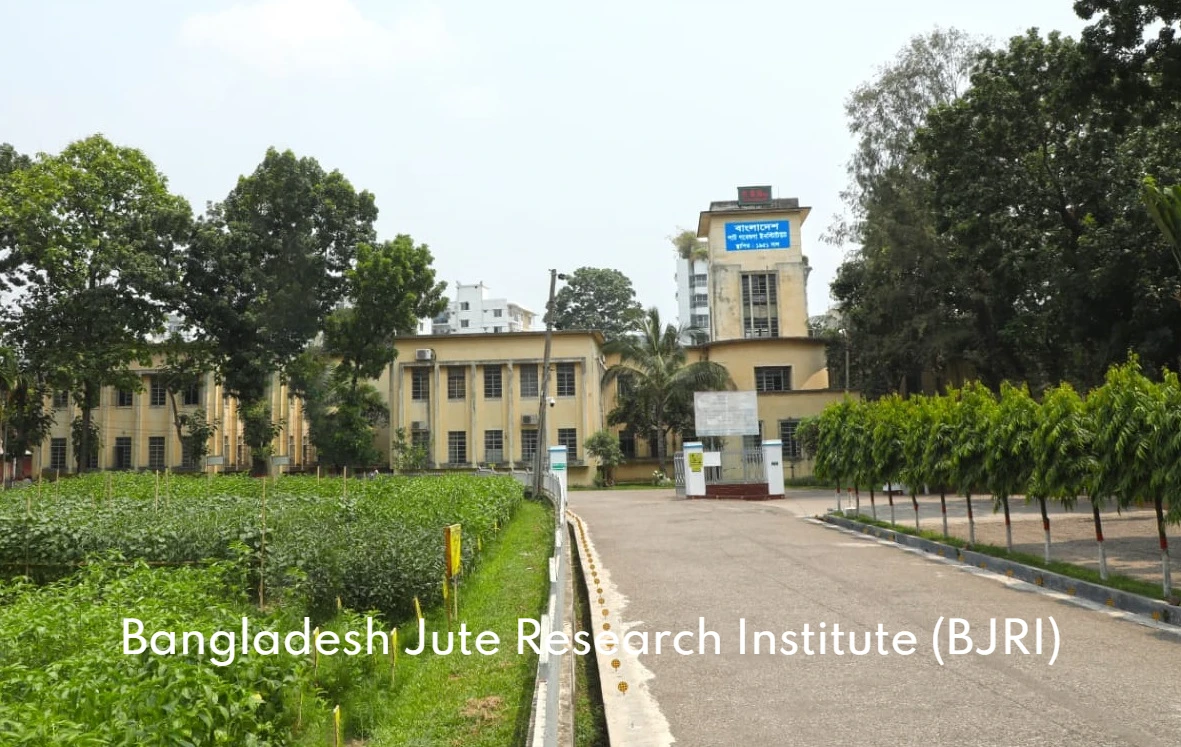
The Bangladesh Jute Research Institute (BJRI) stands as the world’s leading center for jute research, and its role in advancing the jute sector in Bangladesh is pivotal. Established in 1951, BJRI has made substantial strides in jute research, innovation, and sustainability. As jute—often referred to as the “Golden Fiber”—remains one of Bangladesh’s main export commodities, BJRI’s work is crucial for developing technologies and practices that improve both productivity and quality in the industry.
Historical Background and Mandate
The BJRI was initially established as the Jute Research Laboratory in 1936 in Dhaka, under the Indian Central Jute Committee. Following Bangladesh’s independence, the institution was formally rebranded as the Bangladesh Jute Research Institute (BJRI) in 1974. Operated under the Ministry of Agriculture, BJRI is mandated to conduct scientific research on jute and allied fibers to increase their economic viability and market potential. Its objectives include developing high-yield, pest-resistant jute varieties, improving fiber quality, and promoting sustainable jute production practices.
Read our Jute Blogs
Research and Innovation
Bangladesh Jute Research Institute (BJRI) has a strong focus on interdisciplinary research that covers areas such as agronomy, genetics, pest management, and product development. Key departments within the institute include:
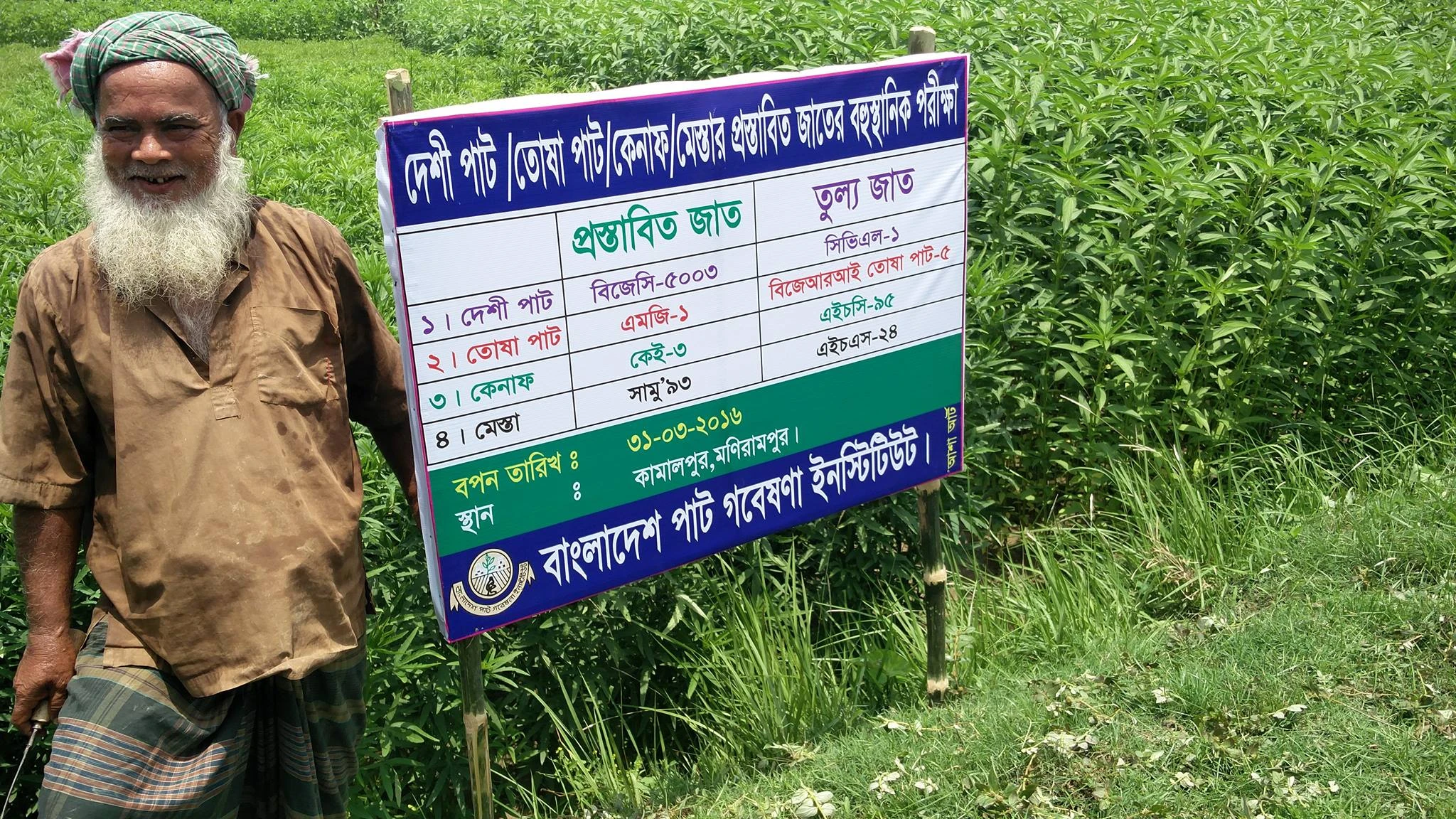
1. Plant Breeding Division: This division works on developing new, improved varieties of jute with higher yields, shorter cultivation cycles, and resistance to common pests and diseases. It has developed over 20 varieties of jute, including high-yield and saline-tolerant varieties like ‘BJRI Tossa Pat-8’, which can thrive in saline-prone coastal areas of Bangladesh.
2. Agronomy Division: The agronomy division explores sustainable cultivation practices, including improved water management, soil fertility, and crop rotation methods. They provide guidelines on best practices to farmers to enhance jute yield while maintaining environmental sustainability.
3. Pest Management Division: Pest and disease control is critical for jute cultivation. BJRI’s pest management research focuses on eco-friendly methods to control pests and diseases. Integrated Pest Management (IPM) techniques, which emphasize biological control methods over chemical pesticides, are promoted to maintain biodiversity and soil health.
4. Product Development and Diversification Division: One of BJRI’s unique contributions is developing new jute-based products beyond traditional textiles. Through its diversification efforts, BJRI has developed jute-based alternatives to plastic, biodegradable packaging materials, and composite materials, aligning with global shifts toward sustainable products. Jute-reinforced bioplastics, for example, are being explored as alternatives to petroleum-based plastics, addressing global concerns over plastic pollution.
Key Achievements of BJRI
Over the decades, BJRI has contributed several significant breakthroughs:
Variety Improvement: BJRI has developed high-yielding jute varieties that are tolerant to salinity and drought conditions. These innovations are essential as farmers in Bangladesh face the challenges posed by climate change.
Increased Jute Fiber Quality: By focusing on agronomic practices, such as optimized retting techniques, BJRI has significantly improved the quality of jute fiber, which helps in enhancing the competitiveness of Bangladesh’s jute in global markets.
Eco-Friendly Jute Products: BJRI has helped develop eco-friendly jute products like jute-based geotextiles used in road construction, erosion control, and slope stabilization. These products serve as biodegradable alternatives to synthetic materials, adding value to jute beyond traditional markets.
BJRI’s Role in the Global Jute Market
Bangladesh is the world’s largest producer and exporter of jute, and BJRI plays an integral role in maintaining this status. BJRI’s research initiatives and policy advice to the government directly impact jute production and exports. By developing high-quality and diversified jute products, BJRI has helped Bangladesh maintain its competitiveness amid increasing global demand for sustainable fibers.
The institute also works in partnership with international organizations and research institutions, exchanging knowledge on jute technologies and sustainable practices. For instance, BJRI collaborates with the International Jute Study Group (IJSG) and the United Nations Industrial Development Organization (UNIDO), promoting research and knowledge-sharing to strengthen the jute sector.
Challenges and Future Prospects
Despite its achievements, Bangladesh Jute Research Institute (BJRI) faces challenges, including the need for funding, modern equipment, and skilled human resources to further expand its research. The institution also has to contend with changing climatic conditions, soil degradation, and an evolving global demand for jute products.
However, BJRI is actively working on long-term solutions to these challenges. It is exploring new jute varieties resilient to climate stress and conducting research on carbon sequestration potential in jute, positioning it as a contributor to carbon-neutral agricultural practices. By continuing to innovate and adapt, BJRI is poised to lead Bangladesh’s jute sector into a more sustainable future.
Conclusion
The Bangladesh Jute Research Institute remains at the heart of Bangladesh’s jute industry, leading pioneering research to adapt to modern challenges and opportunities. By driving innovation, improving production methods, and developing new products, BJRI not only strengthens Bangladesh’s economy but also positions jute as a sustainable alternative in a world increasingly seeking eco-friendly solutions.