
Jute, known as the “golden fiber,” is a crucial crop for many countries, particularly in South Asia. It is valued for its sustainability, versatility, and economic importance. The top jute-producing countries in the world are distinguished by their favorable climatic conditions and extensive agricultural practices that support large-scale jute cultivation.
These nations contribute significantly to the global supply of raw jute and jute products, driving both local economies and international markets. Understanding the leading jute producers provides insight into the global dynamics of this vital natural fiber and its role in sustainable development.
Largest Jute Producer in the World
Now, let’s check the largest jute producer countries in the world.
1. Bangladesh
Bangladesh is the largest jute-producing country in the world, often referred to as the home of the “golden fiber.” The country’s humid climate and fertile soil along the Ganges Delta are ideal for jute cultivation. Bangladesh’s jute industry is a cornerstone of its economy, employing millions of farmers and workers.
The country produces a significant portion of the world’s raw jute and exports a wide range of jute products, including bags, ropes, and textiles. The government supports the industry through various initiatives to enhance productivity and sustainability, reinforcing Bangladesh’s leading position in the global jute market.
2. India
India is the second-largest producer of jute in the world, following closely behind Bangladesh. The states of West Bengal, Assam, and Bihar are the primary regions for jute cultivation, due to their favorable climatic conditions and fertile soil. India’s jute industry is a major contributor to its economy, employing millions of farmers and workers. The country produces a vast array of jute products, including hessian cloth, sacking bags, and jute yarn, which are used domestically and exported globally.
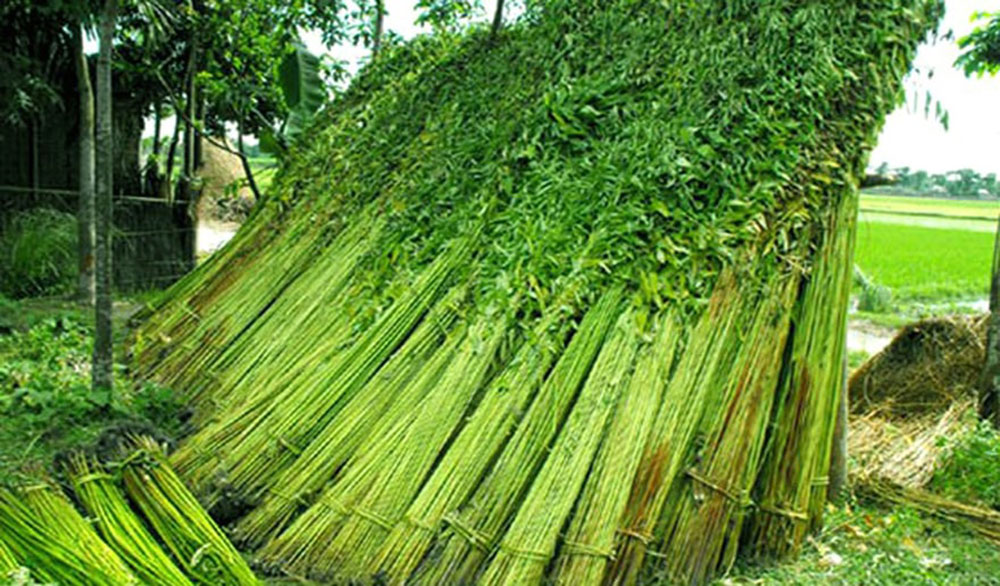
The Indian government supports the jute sector through various initiatives, such as subsidies and modernization programs, to enhance productivity and competitiveness. India’s robust infrastructure, combined with its skilled labor force, ensures the production of high-quality jute goods, solidifying its position as a key player in the global jute market
3. China
China is a significant player in the global jute industry, focusing mainly on jute processing and manufacturing rather than large-scale cultivation. Chinese companies import raw jute primarily from Bangladesh and India and transform it into a variety of products such as fabrics, sacks, and industrial textiles.
The country has advanced jute processing technology, enabling it to produce high-quality jute goods for both domestic use and export. China’s demand for jute is driven by its vast industrial and agricultural sectors, which utilize jute for packaging, geotextiles, and other applications.
4. Egypt
Egypt’s jute industry is relatively small but steadily growing. The country has suitable climatic conditions for jute cultivation, particularly in the Nile Delta region. Egyptian jute production is focused on meeting the domestic demand for jute bags, ropes, and other products used in agriculture and industry.
The government has been encouraging the expansion of jute cultivation to reduce dependence on imports and boost local production. Efforts are also being made to modernize jute processing techniques to improve the quality and competitiveness of Egyptian jute products.
5. Uzbekistan
Uzbekistan is emerging as a notable player in the jute industry, leveraging its agricultural potential to diversify its crop production. The country has initiated projects to cultivate jute, aiming to reduce reliance on cotton, which has historically dominated its agriculture.
Uzbekistan’s jute production is still in its developmental stages, with a focus on creating a sustainable and efficient supply chain. The government is investing in research and development to enhance jute farming practices and processing capabilities, positioning Uzbekistan as a future contender in the global jute market.
6. Nepal
Nepal is another important jute-producing country, with a long history of jute cultivation primarily in the Terai region. The jute industry in Nepal supports the livelihoods of many rural farmers and contributes to the country’s economy. Nepal produces a range of jute products, including sacks, ropes, and mats, catering to both domestic and international markets.
The country faces challenges such as outdated processing technology and competition from synthetic alternatives, but efforts are being made to modernize the sector and improve the quality of Nepali jute products.
7. Sudan
Sudan has been exploring the potential of jute cultivation as part of its agricultural diversification efforts. The country’s favorable climatic conditions in certain regions are suitable for growing jute. Sudan’s jute industry is still in its nascent stages, with limited production primarily focused on local use.
However, there is potential for growth as the government and private sector invest in developing jute farming and processing capabilities. With proper support and investment, Sudan could become a more prominent player in the regional jute market.
8. Vietnam
Vietnam is known for its diversified agricultural production, and jute is part of its growing portfolio. The country’s jute industry is focused on producing high-quality raw jute and jute products for both domestic consumption and export.
Vietnam benefits from its strategic location and established trade networks, which facilitate the export of jute goods to international markets. The government is promoting sustainable agricultural practices and encouraging investment in modern jute processing facilities to boost the sector. Vietnam’s commitment to sustainability and quality positions it as a competitive player in the global jute industry.
Other Key Jute Exporting Countries
Several other countries play crucial roles in the global jute market, contributing to the diversity of supply and production. These include Myanmar, Thailand, Zimbabwe, Bhutan, and the Philippines— which also have notable jute industries, focusing on both raw jute and processed goods. These countries are investing in improving jute farming techniques and processing technologies to enhance their competitiveness in the global market. Their contributions help stabilize the supply chain and meet the growing demand for eco-friendly jute products worldwide.
Top-10 Jute Producing Countries in the World 2025
| Rank | Country | Jute Production (in tons) |
| 1. | Bangladesh | 18,70,000 |
| 2. | India | 16,80,900 |
| 3. | Uzbekistan | 19,700 |
| 4. | China | 15,800 |
| 5. | Nepal | 10,500 |
| 6. | South Sudan | 3,600 |
| 7. | Zimbabwe | 2,500 |
| 8. | Egypt | 2,200 |
| 9. | Vietnam | 490 |
| 10. | Bhutan | 350 |
Note: For more info please visit here and can check the news as well.
https://www.youtube.com/watch?v=Z5AQnsYyzAU
Bangladesh: The Largest Jute Exporter
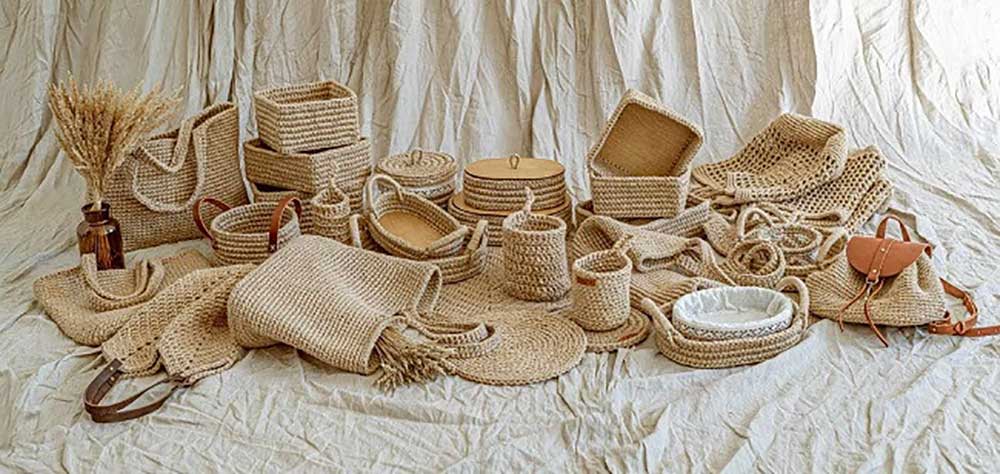
Bangladesh stands out as the world’s largest jute exporter, supplying a significant portion of the global market with raw jute and finished jute products. The country’s dominance in jute export is supported by its extensive cultivation area, skilled labor force, and well-established infrastructure. Bangladeshi jute products, including hessian cloth, jute yarn, and sacking bags, are highly sought after for their quality and sustainability. The export revenue from jute significantly contributes to Bangladesh’s economy, and the government continues to promote the sector through policies aimed at enhancing production and market access.
Factors That Affect Jute Production by Country
Jute production is influenced by a variety of factors that vary from one country to another. Understanding these factors helps in assessing the efficiency and sustainability of jute cultivation in different regions. Here are the key factors affecting jute production:
- Climate: Jute requires a warm, humid climate with adequate rainfall for optimal growth. Countries with these climatic conditions, like Bangladesh and India, tend to have higher jute production.
- Soil Quality: Fertile, well-drained soil is crucial for jute cultivation. Regions with suitable soil types can support higher yields and better-quality fibers.
- Agricultural Practices: Modern farming techniques, including efficient irrigation, pest control, and crop management, significantly impact jute production. Countries investing in advanced agricultural practices see better outcomes.
- Economic Policies: Government support through subsidies, research funding, and infrastructure development can enhance jute production. Policies that promote sustainable practices also play a critical role.
- Labor Availability: The availability of skilled labor for planting, harvesting, and processing jute affects production levels. Countries with a large, skilled workforce can manage larger-scale operations effectively.
- Market Demand: Domestic and international demand for jute products influences production levels. Higher demand can drive increased production and investment in the jute industry.
- Technological Advancements: Access to modern processing technology and equipment can improve efficiency and product quality, affecting overall production capabilities.
- Investment in Research: Investment in research and development helps improve jute varieties and cultivation methods, impacting productivity and resistance to diseases.
- Infrastructure: Efficient transport and logistics infrastructure are essential for moving raw jute and finished products to markets. Well-developed infrastructure supports higher production levels.
- Environmental Factors: Natural disasters, climate change, and environmental degradation can disrupt jute cultivation, affecting production stability and sustainability.
Hope, you have got ideas about the top jute producing countries in the world.
Conclusion
The production of jute is shaped by a complex interplay of environmental, economic, and technological factors. Countries with optimal climate and soil conditions, robust agricultural practices, supportive government policies, and strong infrastructure are better positioned to excel in jute production.
Additionally, factors such as labor availability, market demand, and pest management play critical roles in determining production efficiency and output. As the global demand for sustainable and eco-friendly materials continues to rise, understanding and addressing these factors will be essential for countries aiming to enhance their jute production and maintain competitiveness in the international market.