
A Sustainable Perspective In the quest for sustainable materials, the environmental impact of polyethylene has become a significant concern. Polyethylene, a widely used plastic, is notorious for its durability and resistance to degradation, leading to severe environmental pollution. The non-biodegradable nature of polyethylene results in long-term accumulation in landfills and oceans, contributing to the global plastic waste crisis.
In contrast, jute, a natural fiber, emerges as a promising alternative. Known for its biodegradability and low environmental footprint, jute offers a sustainable solution for various applications. This article explores the detrimental effects of polyethylene on the environment and highlights the potential of jute as an eco-friendly substitute.
Why is polyethylene bad?
Polyethylene, a ubiquitous plastic used in countless products, poses significant environmental challenges due to its non-biodegradable nature. The widespread use and disposal of polyethylene contribute to various forms of pollution, impacting ecosystems and human health alike.
- Pollution: Polyethylene waste is widespread, littering landscapes and waterways, leading to visual pollution and ecosystem disruption.
- Microplastics: As polyethylene breaks down, it forms microplastics that infiltrate soil and water, posing serious health risks to both animals and humans. These tiny particles are ingested by marine and terrestrial creatures, leading to internal blockages, malnutrition, and death.
- Harmful to Animals and Marine Creatures: Wildlife can become entangled in polyethylene debris or mistake it for food. This leads to physical harm and disrupts natural behaviors and habitats.
- Pollutes Land and Water: Polyethylene contamination affects ecosystems, making it difficult for plants and animals to thrive. Polluted water bodies and soils are less capable of supporting life.
- Comes from Non-Renewable Resources: Polyethylene is derived from petroleum, a non-renewable resource. The extraction and processing of petroleum contribute to environmental degradation and greenhouse gas emissions.
- Difficult to Clean: Polyethylene waste clogs drainage systems, leading to urban flooding and increasing the risk of waterborne diseases. Its persistence in the environment poses a long-term threat, as it can take hundreds of years to decompose.
In summary, the environmental impact of polyethylene is multifaceted and severe, affecting pollution levels, wildlife health, and ecosystem stability. Addressing this issue requires a shift towards more sustainable materials, such as jute, to mitigate these adverse effects and promote a healthier planet.
What is more harmful, plastic or polythene?
Determining whether plastic or polythene is more harmful involves understanding their specific environmental impacts. Plastic is a broad term encompassing a variety of synthetic materials, including polythene (polyethylene). Polythene, one of the most common types of plastic, is particularly notorious for its environmental impact. Both plastic and polythene share similar detrimental properties: they are non-biodegradable, contribute to pollution, and pose significant risks to wildlife and ecosystems.
However, polythene is often singled out due to its extensive use in single-use products like bags and packaging, leading to widespread litter and microplastic contamination. The harm caused by these materials is substantial, as they both derive from non-renewable resources, generate significant waste, and are challenging to recycle and clean up. While both are harmful, polythene’s pervasive presence in everyday disposable items makes it a particularly insidious contributor to environmental degradation.
Why is polyethylene bad for the environment?
Polyethylene is bad for the environment due to its non-biodegradable nature and widespread use, which leads to extensive pollution. As it breaks down, it forms microplastics that contaminate soil and water, posing serious health risks to wildlife and humans. Animals often ingest or become entangled in polyethylene waste, leading to injury or death, and disrupting ecosystems.
Additionally, polyethylene is derived from petroleum, a non-renewable resource, contributing to environmental degradation and greenhouse gas emissions. Its persistence in the environment, taking hundreds of years to decompose, further exacerbates its harmful impact, clogging drainage systems and increasing the risk of urban flooding.
Why is polyethylene bad for the skin?
Polyethylene can be bad for the skin due to its potential to cause irritation and allergic reactions. Commonly found in skincare and cosmetic products as microbeads or film-forming agents, polyethylene particles can clog pores, leading to acne and other skin issues. Additionally, the production process of polyethylene may involve harmful chemicals that can remain as residues, potentially causing adverse reactions on sensitive skin.
Furthermore, the non-biodegradable nature of polyethylene microbeads contributes to environmental pollution, which indirectly affects human health by contaminating water sources and entering the food chain. Hence, while polyethylene is generally considered safe for use in cosmetics, its potential to cause skin irritation and its broader environmental impact raise concerns.
Is polyethylene toxic to humans?
Polyethylene is generally considered non-toxic to humans in its solid form, which is why it is widely used in food packaging, medical devices, and consumer products. However, concerns arise from the chemicals used in its production and potential additives that can leach out, especially when exposed to heat. Ingesting polyethylene microplastics, which can be present in contaminated food and water, poses unknown health risks, as these tiny particles can accumulate in the body and potentially cause harm.
Additionally, the environmental impact of polyethylene, contributing to pollution and the presence of microplastics in ecosystems, indirectly affects human health by contaminating resources. Thus, while polyethylene itself is not highly toxic, its broader implications for health and the environment warrant careful consideration.
The alternative of polythene?
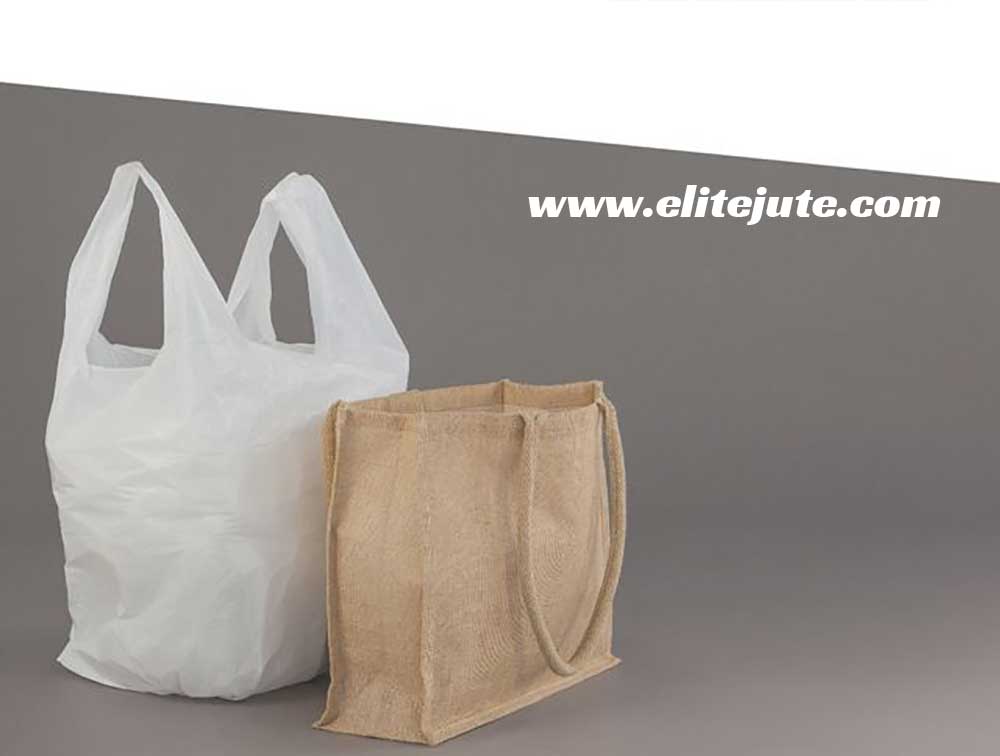
Jute is an excellent alternative to polyethylene due to its natural, biodegradable properties and minimal environmental impact. Derived from the jute plant, this versatile fiber is used to produce bags, packaging, and various textiles, offering a sustainable option for many applications traditionally dominated by polyethylene.
Unlike polyethylene, which is derived from non-renewable petroleum and takes hundreds of years to decompose, jute breaks down naturally within a few months, reducing pollution and environmental harm. Additionally, jute cultivation supports sustainable agriculture and provides economic benefits to farmers in developing countries. By choosing jute over polyethylene, we can significantly reduce plastic waste and promote a more eco-friendly and sustainable future.
To conclude
As the environmental consequences of polyethylene become increasingly evident, the need for sustainable alternatives is more pressing than ever. Jute stands out as a compelling substitute, offering biodegradability, renewability, and economic benefits for developing regions. By embracing jute and other eco-friendly materials, we can mitigate the harmful impacts of plastic pollution, protect wildlife, and promote a healthier planet.
Transitioning to sustainable materials like jute not only addresses the immediate issues of waste and pollution but also fosters a more responsible and sustainable approach to production and consumption. The shift from polyethylene to jute represents a significant step towards a cleaner, more sustainable future for generations to come. For more info about jute products, please explore EliteJute.