
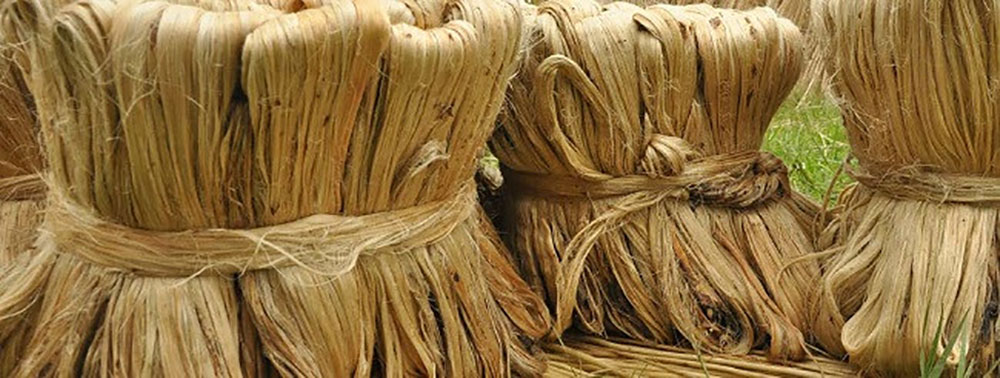
Jute and jute products are integral to Bangladesh’s economy and heritage, known for their eco-friendliness and versatility. As the world’s largest producer of raw jute, Bangladesh capitalizes on its abundant jute cultivation to produce a variety of goods, from durable bags to sophisticated textiles. The jute industry not only provides significant employment but also promotes sustainable practices, positioning Bangladesh as a key player in the global market for natural fiber products. Let’s check in details about jute and jute products and the benefits as well.
Why Jute?
Jute, often called the “golden fiber,” is prized for its sustainability and versatility. Here’s why jute is an excellent choice:
- Eco-Friendly: Jute is biodegradable and recyclable, making it a sustainable alternative to synthetic fibers.
- Cost-Effective: Jute cultivation is relatively low-cost, providing affordable raw materials for various products.
- Versatile Uses: Jute is used in a wide range of products, including bags, ropes, textiles, and geotextiles.
- Durability: Jute fibers are strong and durable, suitable for heavy-duty applications.
- Economic Impact: The jute industry supports millions of livelihoods, particularly in countries like Bangladesh and India.
- Climate Resilience: Jute plants enhance soil fertility and require minimal chemical inputs, contributing to sustainable agriculture.
Bangladesh, as the world’s largest producer of raw jute, leverages these advantages to drive economic growth and promote environmental sustainability.
What are jute products?
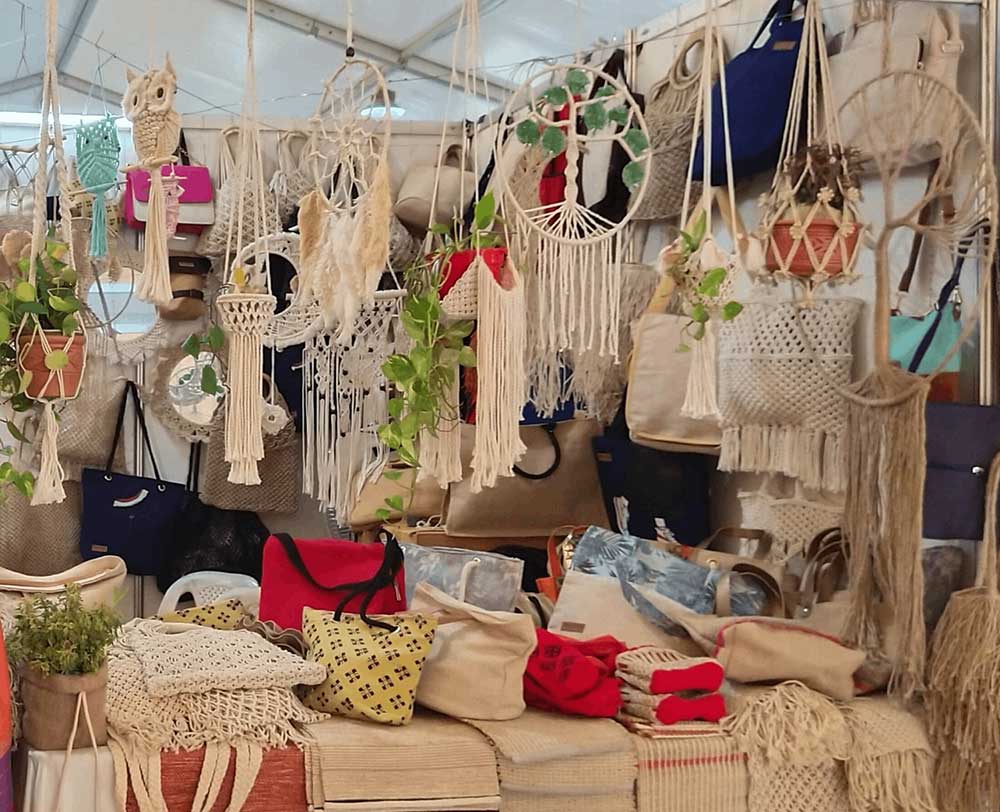
Jute products encompass a wide range of items, reflecting the versatility and durability of this natural fiber. Traditional jute products include bags, ropes, and sacks, which are valued for their strength and biodegradability. These products are extensively used in agriculture and packaging due to their capacity to handle heavy loads and their environmentally friendly nature. Additionally, jute is crafted into twine, mats, and carpets, which are popular for their rustic charm and robustness.
In recent years, the application of jute has expanded into fashion and home decor. Jute fabrics are used to make stylish handbags, footwear, and accessories, appealing to eco-conscious consumers. Home furnishings such as curtains, rugs, and upholstery made from jute are gaining popularity for their natural aesthetic and sustainability. Moreover, jute is utilized in geotextiles for soil erosion control and in the automotive industry for interior components, showcasing its adaptability and importance in various sectors.
Why Jute Products?
Jute products are gaining popularity for their environmental benefits and diverse applications. Here are the key reasons:
- Sustainability: Jute is a highly sustainable crop, growing rapidly and requiring relatively low input compared to other fibers. Its cultivation supports sustainable agriculture, as it relies on natural rainfall and minimal chemical inputs. By choosing jute products, consumers support an industry that prioritizes environmental health and resource efficiency.
- Biodegradable: Jute products are fully biodegradable, decomposing naturally without leaving harmful residues. This makes them an excellent alternative to synthetic materials, which often persist in the environment for centuries. The biodegradability of jute ensures that it returns to the earth without contributing to pollution.
- Durability: Jute fibers are known for their exceptional strength and durability. Products made from jute, such as bags and ropes, can withstand significant wear and tear, making them ideal for heavy-duty applications. This durability translates to a longer lifespan for jute products, reducing the need for frequent replacements.
- Pollution: Jute cultivation and processing produce minimal pollution compared to synthetic fiber production. The natural processes involved in jute farming and manufacturing are less energy-intensive and generate fewer harmful emissions. This reduces the overall environmental footprint of jute products.
- Helps in Maintaining Eco Balance: Jute plants contribute to maintaining ecological balance by enhancing soil health and reducing erosion. Their extensive root systems help bind the soil, preventing erosion and promoting water retention. This ecological benefit supports sustainable land management and biodiversity.
- Improves the Soil: Jute cultivation improves soil quality by increasing its organic matter content. The residues left after harvesting decompose and enrich the soil, enhancing its fertility and structure. This improvement in soil health supports the growth of subsequent crops and reduces the need for chemical fertilizers.
- Jute Bags are Durable: Jute bags are renowned for their durability, making them a practical choice for everyday use. Whether used for shopping, storage, or transport, these bags can handle heavy loads without tearing or wearing out quickly. Their durability ensures they can be reused multiple times, reducing waste.
- Less Requirement of Fertilizers & Pesticides: Jute requires minimal use of fertilizers and pesticides, making it a more sustainable crop compared to others. Its natural resistance to pests and diseases reduces the need for chemical treatments, which can have detrimental environmental effects. This low input requirement makes jute cultivation more environmentally friendly.
- Requires Less Land for Cultivation: Jute is a high-yield crop that requires relatively less land for cultivation compared to other fibers. This efficiency in land use allows farmers to produce substantial quantities of jute without the need for extensive agricultural space, making it an attractive option for sustainable farming.
- Stylish: Jute products have become increasingly stylish, and appealing to fashion-conscious consumers. Designers are incorporating jute into trendy accessories, footwear, and home decor items, blending natural aesthetics with modern design. This stylish appeal broadens the market for jute products.
- Affordable: Jute products are often more affordable than their synthetic counterparts. The low cost of jute cultivation and processing translates to lower prices for consumers, making eco-friendly choices accessible to a wider audience. This affordability supports the widespread adoption of sustainable products.
- Nature-Friendly: Jute is a nature-friendly fiber, grown and processed with minimal environmental impact. Its cultivation supports biodiversity, soil health, and water conservation, aligning with the principles of ecological stewardship. Using jute products helps promote a more harmonious relationship with nature.
- Recyclable: Jute products are fully recyclable, adding to their environmental credentials. At the end of their useful life, jute items can be repurposed or recycled into new products, reducing waste and conserving resources. This recyclability supports a circular economy and minimizes landfill impact.
- Aesthetic Appeal: Jute products have a natural, rustic look that appeals to eco-conscious consumers.
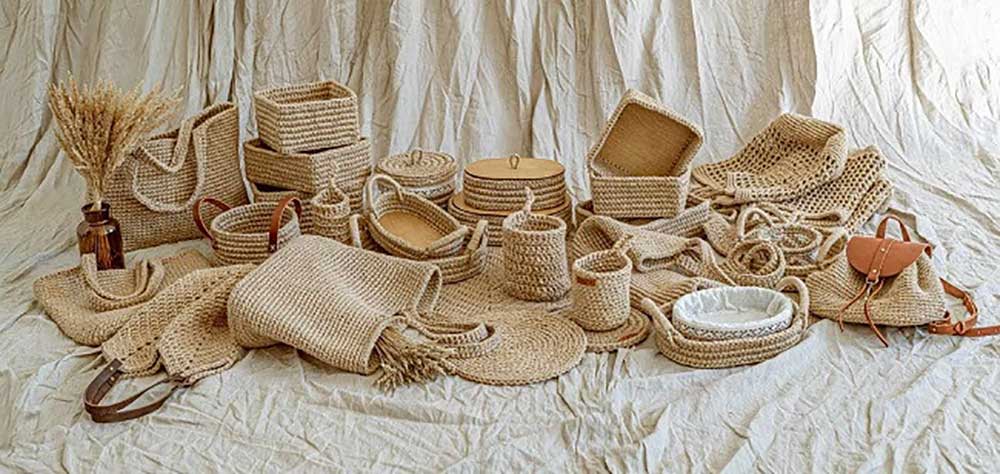
Thus jute products from jute can make life easier in an eco-friendly way. Let’s make the right use of jute from today!
Conclusion
Jute products offer a multitude of benefits that make them an ideal choice for environmentally conscious consumers and sustainable development. Their eco-friendly nature, durability, and affordability make them a viable alternative to synthetic materials. By choosing jute, we not only support sustainable agricultural practices and economic growth in developing countries but also contribute to a healthier planet. The versatility and stylish appeal of jute products further enhance their attractiveness, making them a practical and responsible choice for everyday use. Embracing jute products is a step towards a greener, more sustainable future.