
Jute is a long, soft, and shiny natural vegetable fiber derived from the stem and outer skin of the jute plant, primarily grown in Bangladesh and India. Known as the “golden fiber” due to its color and value, jute is eco-friendly and biodegradable. Jute fiber is widely used for making burlap, hessian cloth, and twine, playing a significant role in the textile and packaging industries.
What is jute?
Jute is a natural vegetable fiber obtained from the bark of the jute plant, primarily grown in the tropical regions of Bangladesh and India. It is one of the most affordable and abundant natural fibers, known for its silky texture, strength, and biodegradability.
Often referred to as the “golden fiber” for its color and economic value, jute is extensively used in the production of hessian or burlap, sacks, ropes, and various eco-friendly products. Its versatility and sustainability make it a popular choice in textiles, agriculture, and packaging industries, contributing significantly to the economy and environmental conservation efforts.
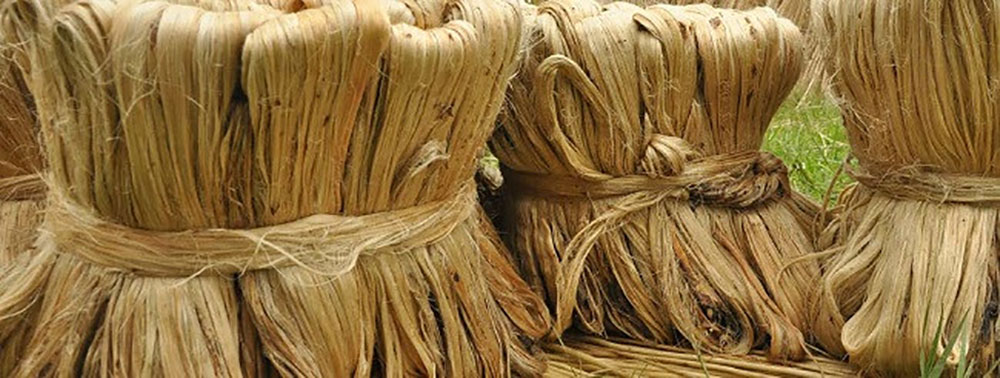
Characteristics of jute
Jute is a versatile and eco-friendly natural fiber known for its strength and affordability. Here are its key characteristics:
- Biodegradable and Renewable: Jute is environmentally friendly, decomposing naturally without harming the ecosystem.
- High Tensile Strength: It is strong and durable, making it ideal for heavy-duty packaging.
- Breathable: Jute fibers allow air circulation, preventing the growth of fungi and mold.
- Moisture Absorbent: It can absorb moisture, maintaining dryness in packaged goods.
- Low Thermal Conductivity: Provides insulation, suitable for various climatic conditions.
- Cost-Effective: Economically viable due to its abundance and low production costs.
- Versatile Applications: Used in textiles, agriculture, construction, and home decor.
What is jute fiber?
Jute fiber is a natural, long, and coarse fiber extracted from the stem and outer skin of the jute plant, primarily grown in Bangladesh and India. Known for its golden, silky appearance, jute fiber is strong, durable, and biodegradable, making it an environmentally friendly material. It is widely used in the production of hessian cloth, burlap sacks, ropes, and various eco-friendly products.
Jute fiber’s excellent tensile strength and low cost make it a popular choice in packaging, textiles, agriculture, and home decor, contributing significantly to sustainable industry practices.
What is jute fiber used for
Jute fiber is a versatile natural material widely used across various industries due to its strength, durability, and eco-friendliness. Here are some common uses:
- Textiles: Hessian, burlap, and gunny bags.
- Packaging: Sacks for grains, sugar, and cement.
- Agriculture: Plant ties, erosion control mats.
- Home Decor: Carpets, rugs, curtains, and upholstery.
- Handicrafts: Baskets, wall hangings, and bags.
- Construction: Geotextiles for soil stabilization and erosion control.
- Industrial: Insulation materials, ropes, and twines.
What is special about jute?
Jute is special due to its remarkable blend of sustainability, versatility, and economic viability. As a natural, biodegradable, and renewable fiber, it stands out as an environmentally friendly alternative to synthetic materials. Jute’s high tensile strength and durability make it ideal for a wide range of applications, from heavy-duty packaging to delicate home decor.
Its breathability and moisture-absorbing properties add to its functional benefits, while its low cost of production and abundance in regions like Bangladesh make it economically significant. The golden hue and silky texture of jute further enhance its appeal, earning it the title of the “golden fiber.”
Why is jute called bast fiber?
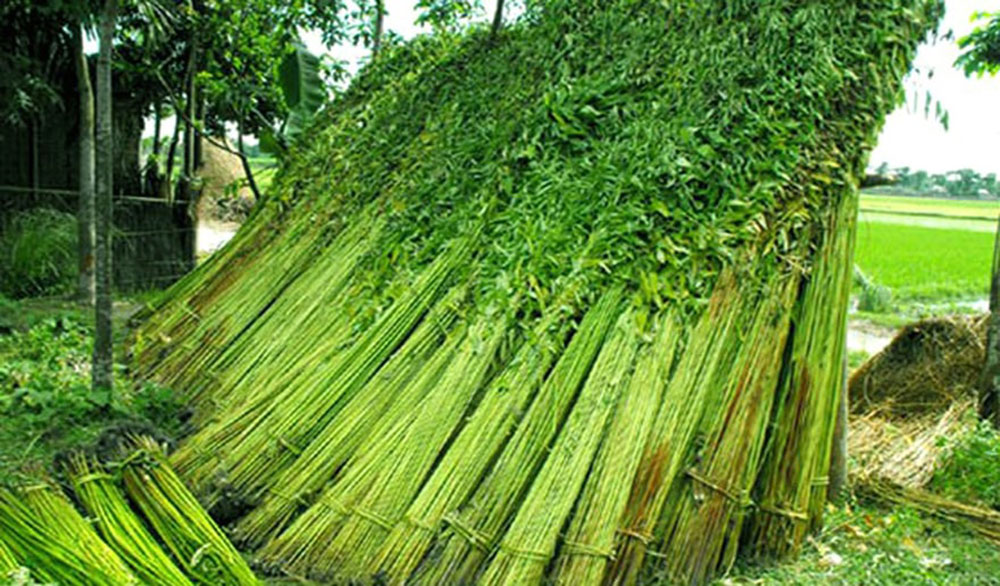
Jute is called a bast fiber because it is derived from the bast, or phloem, of the jute plant. The bast is the fibrous part of the plant’s stem, located between the outer bark and the inner woody core. This part of the plant is rich in long, strong fibers that can be separated and processed into threads.
Bast fibers, including jute, flax, hemp, and ramie, are known for their durability and strength, making them ideal for a variety of textile and industrial applications. The extraction process, known as retting, involves soaking the stems to separate the fibers from the woody core, preserving their natural length and strength.
What are the important facts about jute?
Jute is a remarkable natural fiber with a range of unique attributes and historical significance. Here are some key facts that highlight its importance and benefits:
- Natural and Biodegradable: Jute is a 100% natural fiber that decomposes easily, making it an eco-friendly alternative to synthetic materials.
- Economic Impact: Jute is a major cash crop for countries like Bangladesh and India, providing employment to millions and contributing significantly to their economies.
- Versatile Applications: Jute is used in a variety of products including hessian cloth, burlap, sacks, ropes, carpets, and eco-friendly packaging materials.
- High Tensile Strength: The fibers are known for their strength and durability, which makes them ideal for heavy-duty applications.
- Sustainable Crop: Jute grows quickly, with a short cultivation period of about 4-6 months, requiring minimal water and pesticides compared to other crops.
- Historical Significance: Jute has been used for thousands of years, with its cultivation becoming prominent during the British colonial era in the 19th century.
- Economic Export: Jute and jute products are significant export commodities for countries like Bangladesh, making them vital to the global trade market.
- Environmental Benefits: Jute plants absorb carbon dioxide and release oxygen, helping to combat climate change and improve air quality.
- Low Cost of Production: The cost of growing and processing jute is relatively low compared to synthetic fibers, which helps keep jute products affordable.
- Breathable Fiber: Jute has excellent breathability, which helps in maintaining the quality of packaged goods and prevents moisture buildup.
These facts underline why jute remains an important and valued resource both historically and in modern times.
Conclusion
Jute and jute fiber stand out as versatile, eco-friendly materials with a rich history and significant economic impact, particularly in countries like Bangladesh. Known as the “golden fiber,” jute is celebrated for its strength, biodegradability, and wide range of applications, from textiles and packaging to agriculture and home decor. The cultivation and processing of jute support millions of livelihoods and contribute to sustainable practices globally.
Companies like EliteJute play a crucial role in the modern jute industry and products, driving innovation and promoting the use of jute in diverse and contemporary ways. By prioritizing quality and sustainability, EliteJute helps maintain the relevance and economic importance of jute in today’s market, ensuring that this ancient fiber continues to benefit both people and the planet.